What Freud Can Teach Us About Residential Glass Repair


Residential Glass Repair: Understanding the Process, Benefits, and FAQs
Glass is a fundamental element of many residential structures, providing both aesthetic appeal and practical advantages. From doors and windows to shower enclosures and mirrors, glass aspects can improve the appeal of a home. Nevertheless, like Window Refurbishment , glass is prone to harm from mishaps or natural wear and tear. This short article checks out the numerous elements of residential glass repair, consisting of common kinds of damage, repair procedures, advantages, and regularly asked questions.
Typical Types of Glass Damage
Residential glass can suffer from various kinds of damage that might demand repair or replacement. Here are some typical problems property owners encounter:
| Type of Damage | Description |
|---|---|
| Fractures | Noticeable fissures that can jeopardize structural integrity and security. |
| Chips | Small damages that often occur on the edges of glass panes. |
| Shattered Glass | Complete breakage of the glass, rendering it unusable and posturing security dangers. |
| Fogged or Cloudy Glass | Built up wetness in between glass panes causes a cloudy appearance. |
| Scratches | Surface area flaws that can decrease clearness, particularly on windows. |
Understanding these common types of damage can help property owners determine the need for repair and take prompt action.
The Glass Repair Process
The process of residential glass repair varies depending upon the kind of damage and the particular glass part involved. Here's a basic overview of how the repair process typically unfolds:
1. Assessment
A qualified technician assesses the damage, determining whether repair or replacement is the best option. This evaluation might include taking a look at the level of fractures, chips, or other problems.
2. Measurement
If a replacement is needed, precise measurements of the existing glass are required to guarantee a correct fit.
3. Glass Selection
Depending on the kind of glass being fixed or changed (single-pane, double-pane, tempered, and so on), the technician will source the proper materials.
4. Preparation
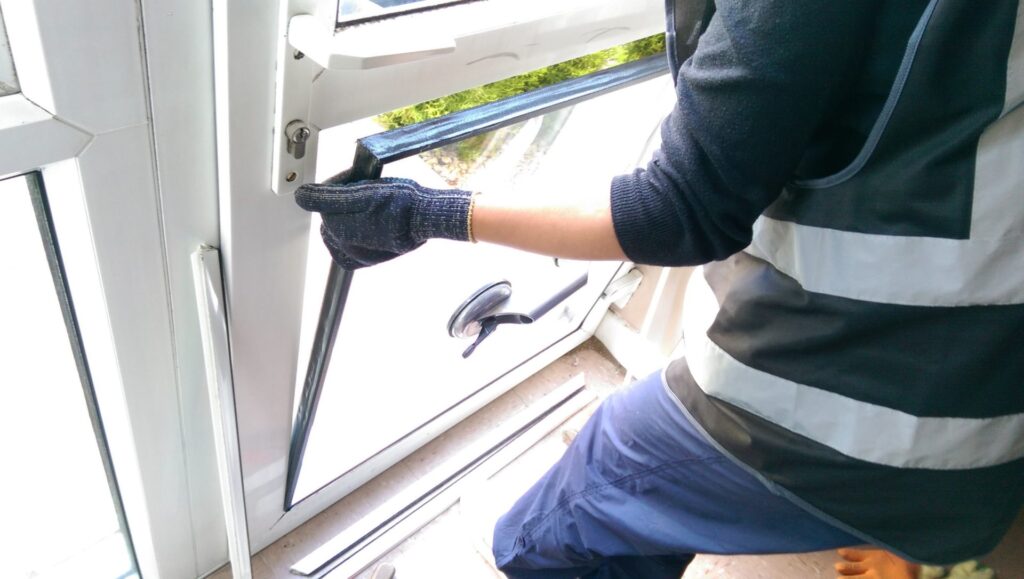
The location around the broken glass is prepared. This includes getting rid of broken pieces and cleaning up the surrounding frame.
5. Repair/Replacement
- For small chips and fractures: A resin is injected into the damaged location, cured with UV light, and polished to bring back clarity.
- For shattered glass: The damaged pane is removed and replaced with new glass, guaranteeing a secure fit.
6. Clean-Up
After the repair or replacement is complete, the technician will clean the area, ensuring no debris is left behind.
7. Last Inspection
Finally, a thorough inspection is carried out to validate the stability and functionality of the fixed or replaced glass.
Benefits of Professional Glass Repair
Going with professional glass repair services provides a number of advantages for homeowners, including:
- Safety: Trained professionals follow safety protocols to make sure that the repair or replacement procedure does not position any threats.
- Quality: Professionals utilize state-of-the-art products and possess the expertise to guarantee long-lasting repairs.
- Time Efficiency: Experienced professionals can finish repairs swiftly, reducing disruption to the family.
- Cost-Effectiveness: Addressing minor damages promptly can avoid more extensive and pricey repairs in the future.
- Increased Property Value: Maintaining the stability of glass fixtures can enhance the general aesthetic appeal, positively affecting home worth.
Often Asked Questions (FAQs)
1. How do I know if my glass can be fixed or needs replacement?
A professional evaluation is the very best method to determine this. Minor cracks and chips can often be fixed, while substantial damage or shattered glass might require replacement.
2. What should I do if my window glass is fogging up?
Fogging generally suggests a broken seal in double-pane windows. Consult with a glass repair professional for an evaluation and prospective replacement.
3. Can I repair minor glass chips myself?
Do it yourself repairs can be effective for little chips, however for the best results and to guarantee safety, it is recommended to seek advice from a professional.
4. How long does the normal glass repair take?
The timeline can differ based upon the degree of the damage and the type of glass, however a lot of repairs are completed within a few hours.
5. Will my house owners insurance coverage cover glass repair or replacement?
Coverage varies by policy. It's suggested to examine with your insurance coverage service provider to comprehend your specific protection.
6. What is the cost of residential glass repair?
The cost depends upon a number of elements, consisting of the kind of glass, degree of the damage, and whether repair or replacement is required. Property owners need to acquire multiple quotes to compare rates.
Residential glass repair is an essential service that ensures the safety, functionality, and visual appeal of a home. By understanding the kinds of damages, the repair process, and the benefits of professional intervention, house owners can make educated choices when confronted with glass problems. Constantly think about consulting a certified technician to examine any glass-related damage in your home, keeping both safety and style in your home.